Analysis of the Working Principles of a Pathological Autopsy Table
Table of Content
[Hide]
The pathology dissection table is an important work platform used in pathology laboratories for the preliminary observation, measurement, sampling, and recording of tissue specimens. It is one of the key devices that bridge clinical surgery with microscopic diagnosis, ensuring that tissue samples are properly handled before being sent for examination.
What is a Pathology Dissection Table?
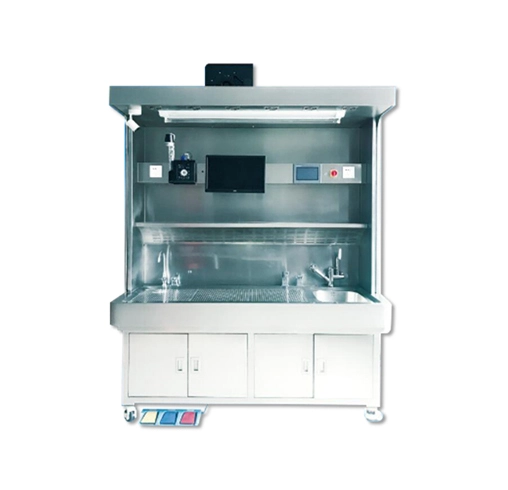
The pathology dissection table is a specialized workbench designed specifically for pathology laboratories. Its design aims to enhance the safety, cleanliness, and efficiency of tissue sampling tasks. It not only serves as a surface for handling tissue specimens but also integrates multiple functions such as ventilation, safety, water supply, lighting, and waste management, making it an essential infrastructure in modern pathology laboratories.
Main Functions and Working Principles of the Dissection Table
According to the introduction, this dissection table is equipped with multiple advanced functions. Its core working principles can be understood from the following aspects:
Downward Extraction System
The dissection table adopts a downward extraction ventilation design, which employs an extraction mechanism from the work surface upwards. It directly draws formaldehyde, odors, or other potentially harmful gases released during tissue processing into the exhaust system. This design effectively removes contaminants from the operator's breathing zone, preventing them from spreading upwards and thereby ensuring the operator's respiratory safety.
Top and Middle Fresh Air Supply System
This system continuously supplies fresh air above and in the middle of the table, creating a closed airflow loop: top/middle air supply → table extraction → exhaust filtration. This balanced ventilation method ensures that airflow is evenly distributed across the entire work area, avoiding dead zones and vortices, thereby improving the control efficiency of harmful gases.
Foot-Controlled Hot and Cold Water System
In the dissection process, it is often necessary to clean specimens, remove debris, or rinse tools. The dissection table is equipped with a foot-controlled hot and cold water system, allowing the operator to adjust the water temperature and flow using foot pedals without touching the faucet by hand. This hands-free design not only adheres to laboratory sterility principles but also enhances the smoothness and safety of the work process.
Ergonomic Design and Remote Control System
The height of the table, lighting, and exhaust intensity can be adjusted remotely, allowing the operator to configure settings flexibly according to personal habits. The ergonomic design reduces muscle fatigue and posture discomfort caused by prolonged operations, significantly enhancing work efficiency and comfort.
The pathology dissection table is a multifunctional work platform that integrates an efficient ventilation system, intelligent water supply, automatic control, and ergonomic design. Through its downward extraction system and balanced air supply mechanism, it maintains clean air in the operation area while protecting the operator's health. The foot-controlled water system and remote adjustment features enable sterile operations and efficient sampling processes. This equipment plays a crucial role in modern pathology departments, providing strong support for accurate diagnosis and laboratory safety.
(1)_20260113172827.webp "JQ-GM6210P On-Demand Slide Printer")